The collection of images showcases an interior design scheme that heavily relies on natural wood finishes to infuse warmth, luxury, and coherence throughout the home. The woodwork is not just functional cabinetry; it forms the core aesthetic, defining corridors, accentuating architectural features, and creating a sense of timeless elegance.
1. Architectural Dominance: Wood Paneling and Flooring
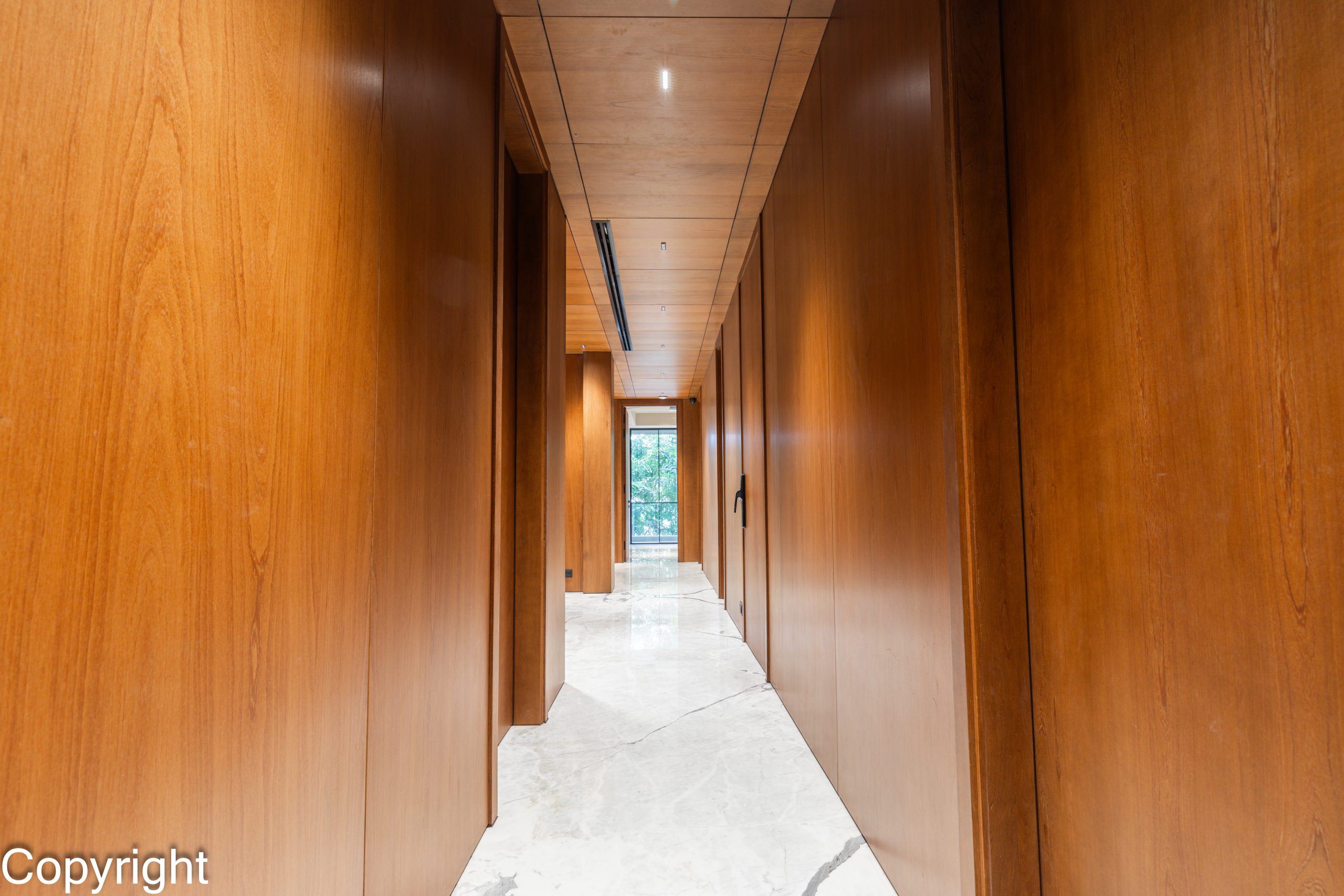
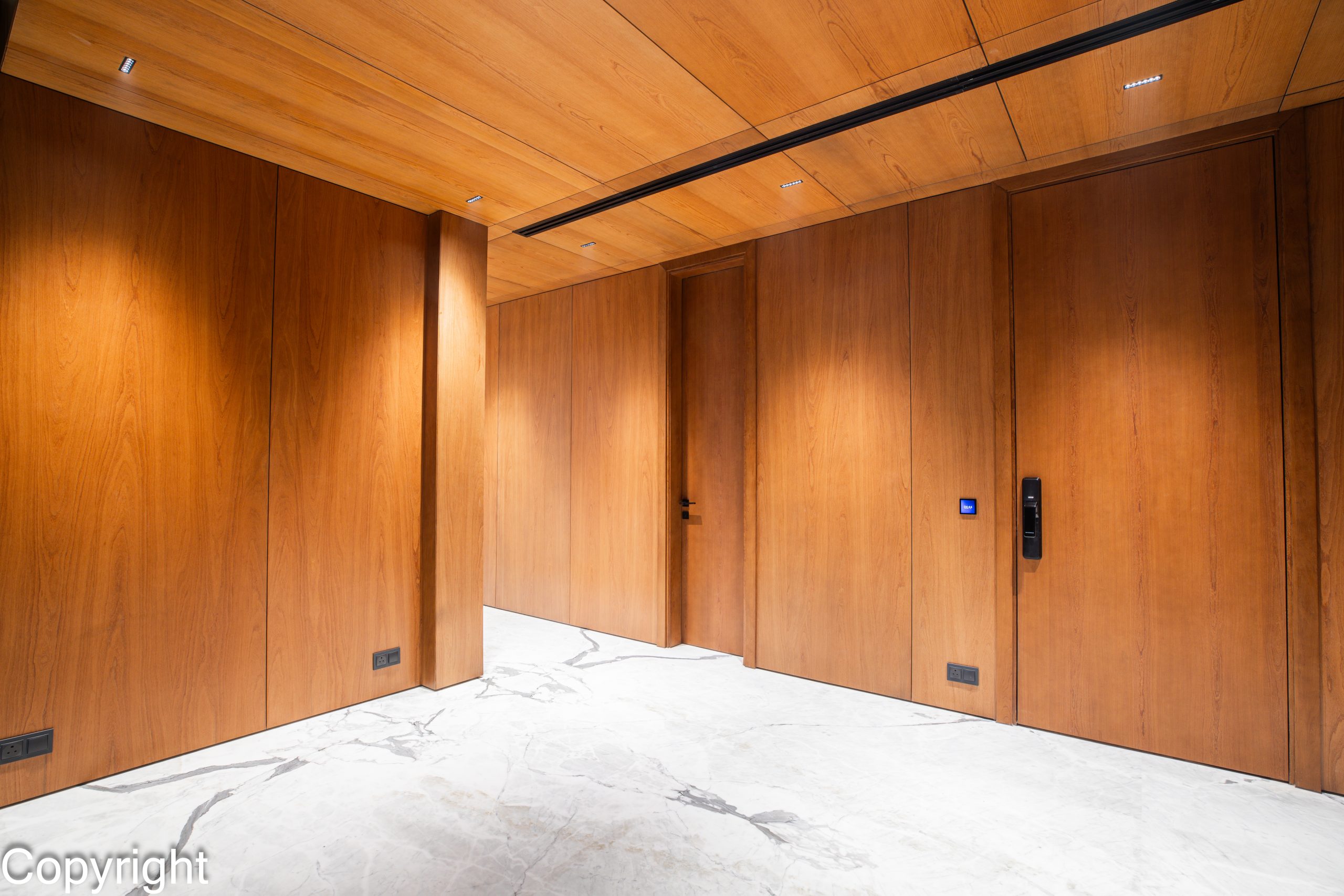
The most striking feature is the extensive and seamless application of wood, particularly in communal and transitional spaces like hallways and entryways (DSC00240, DSC00241).- Continuous Surface Treatment: The images reveal full-height wood paneling that covers the walls and sometimes extends to the ceiling, creating an enveloping, cocoon-like effect. This application, likely using a medium-to-dark tone veneer (reminiscent of Teak or Walnut), establishes a rich, cohesive visual environment.
- Flush Doors: Doors are often designed to be flush with the surrounding wall panels, minimizing visual breaks and emphasizing the continuous wood surface. This sleek, modern detail elevates the architectural quality of the space.
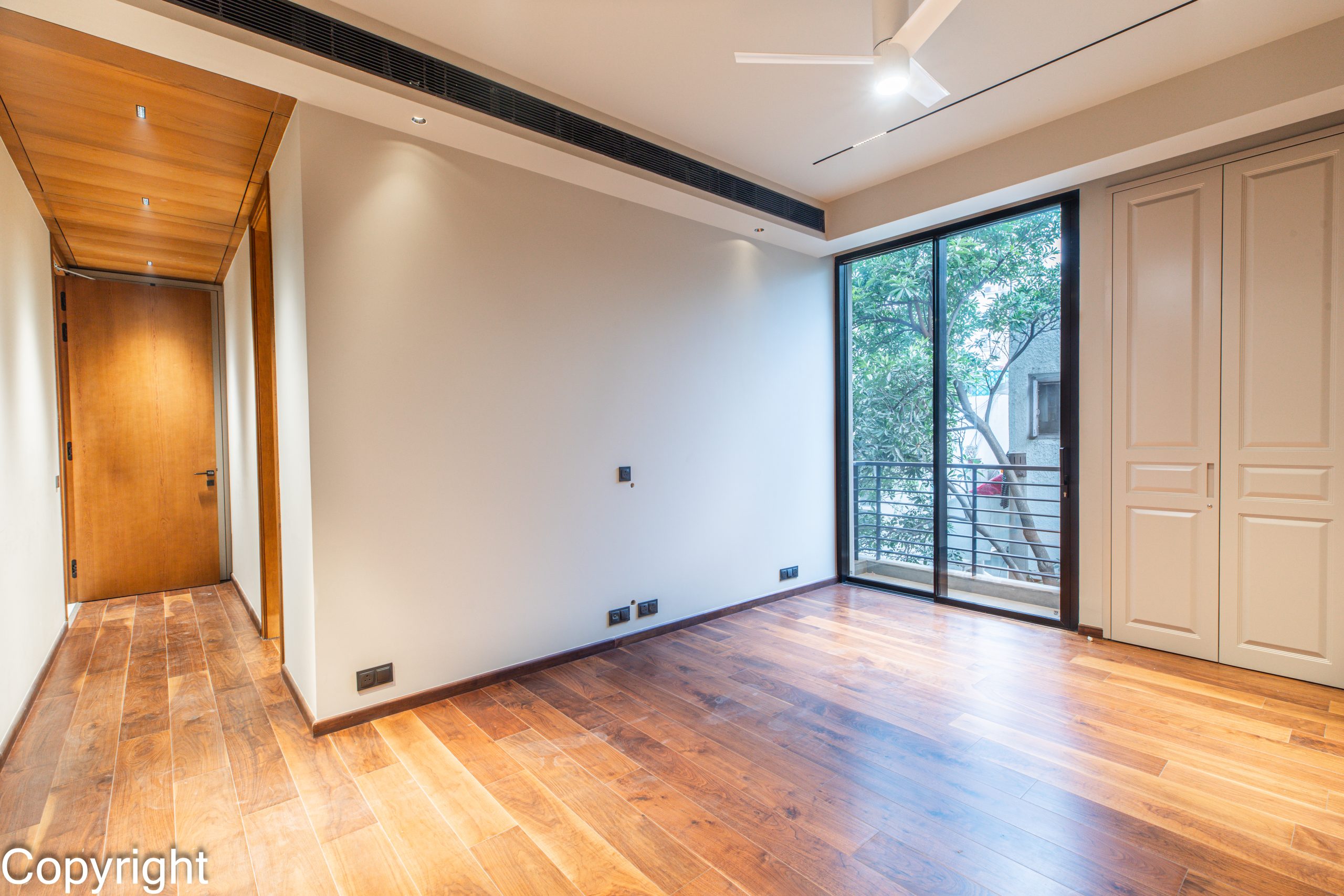
- Contrasting Flooring: The natural wood surfaces are beautifully contrasted against polished white marble flooring with subtle grey veining. This pairing—warm wood against cool stone—is a classic, high-contrast combination that adds a layer of sophistication. In the first bedroom (DSC00220), the use of hardwood plank flooring complements the wood ceilings and door frames, enhancing the cozy atmosphere.
2. Cabinetry and Wardrobe Styles: Classic Forms Meet Modern Lines
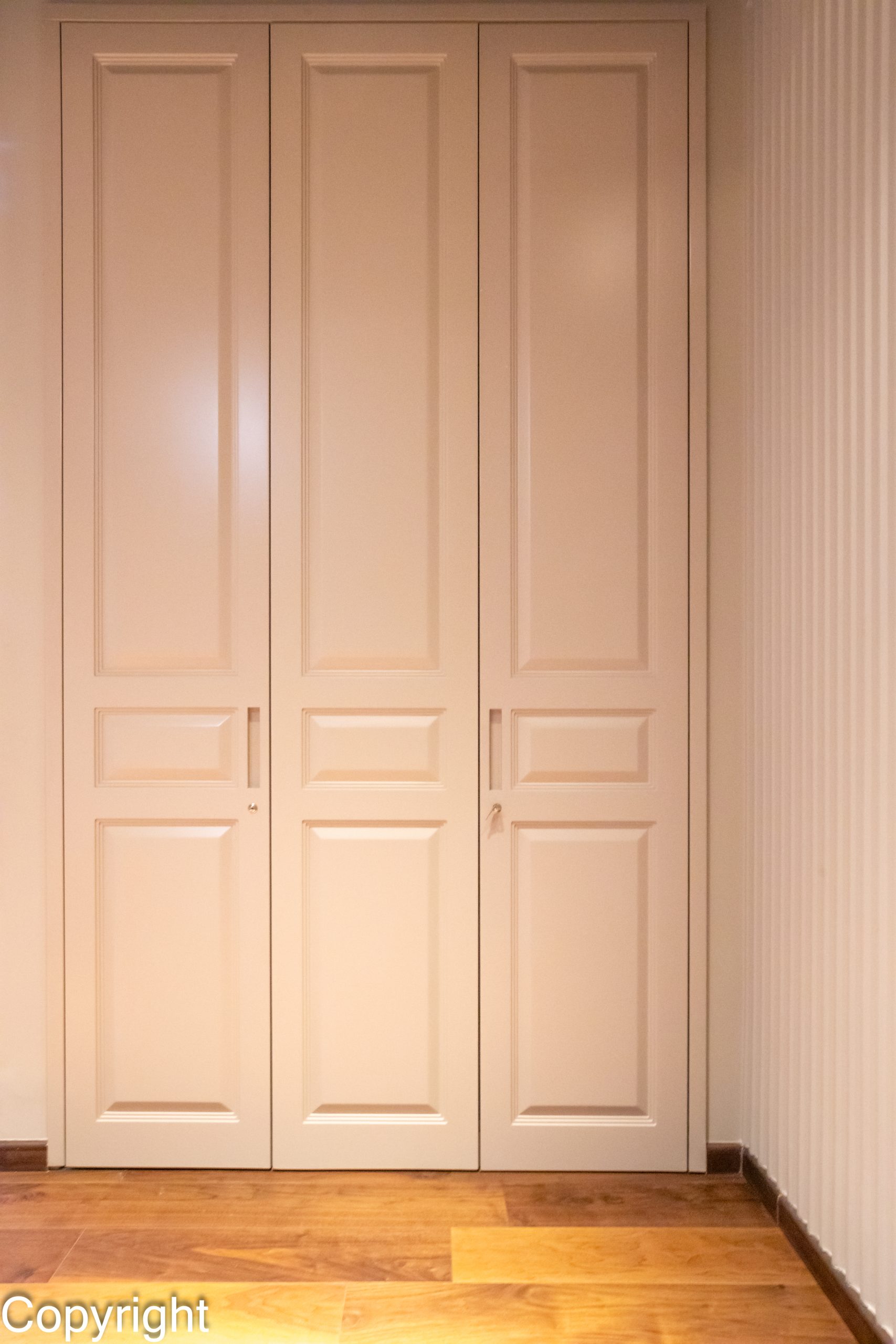
The storage solutions demonstrate a versatility in style, from traditional paneling to contemporary texture.- Classic Shaker/Panel Doors (DSC00244, DSC00220): One wardrobe style features a classic recessed panel or Shaker-style door in a light, neutral paint or laminate finish. This traditional look adds a sense of enduring formality, especially when contrasted with the modern lighting and minimal handles.
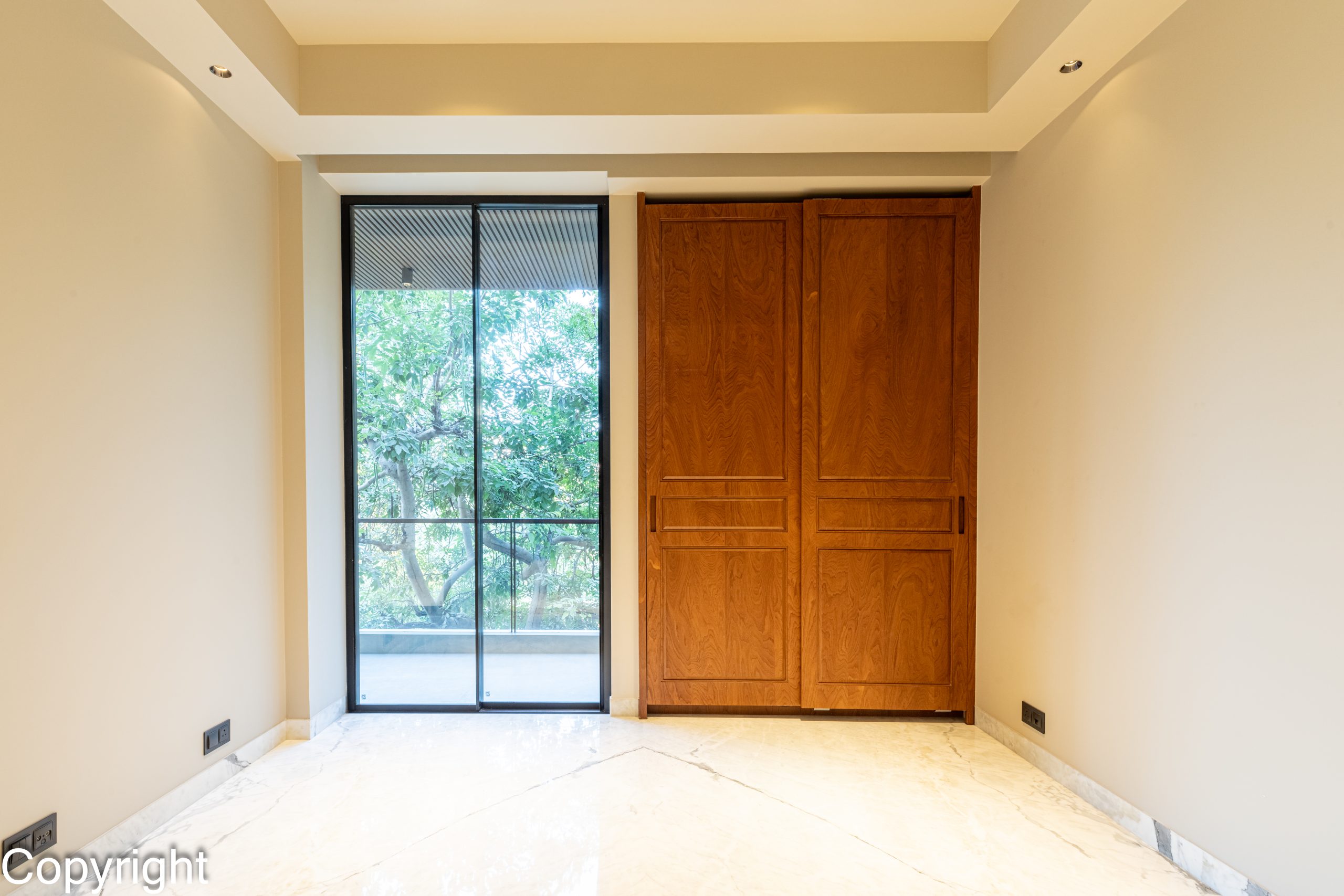
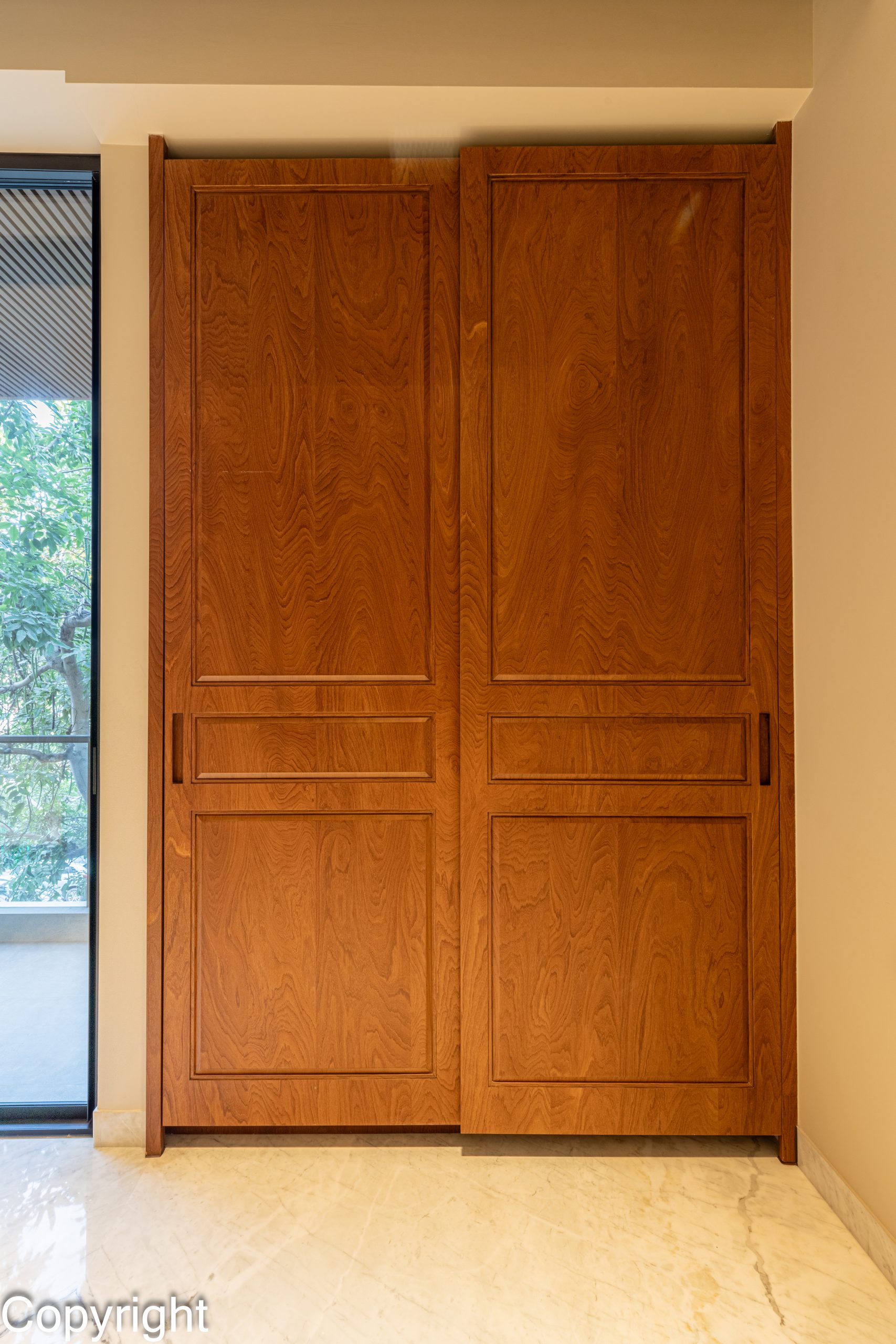
- Rich Sliding Doors (DSC00274, DSC00309): In another area, the wardrobe uses solid wood-toned sliding doors. These doors feature a subtly raised border panel that provides dimensional detail while maintaining a clean profile. The rich, warm stain of the wood makes this piece a significant focal point in the room.
3. The Textured Vanity: Contemporary Detailing
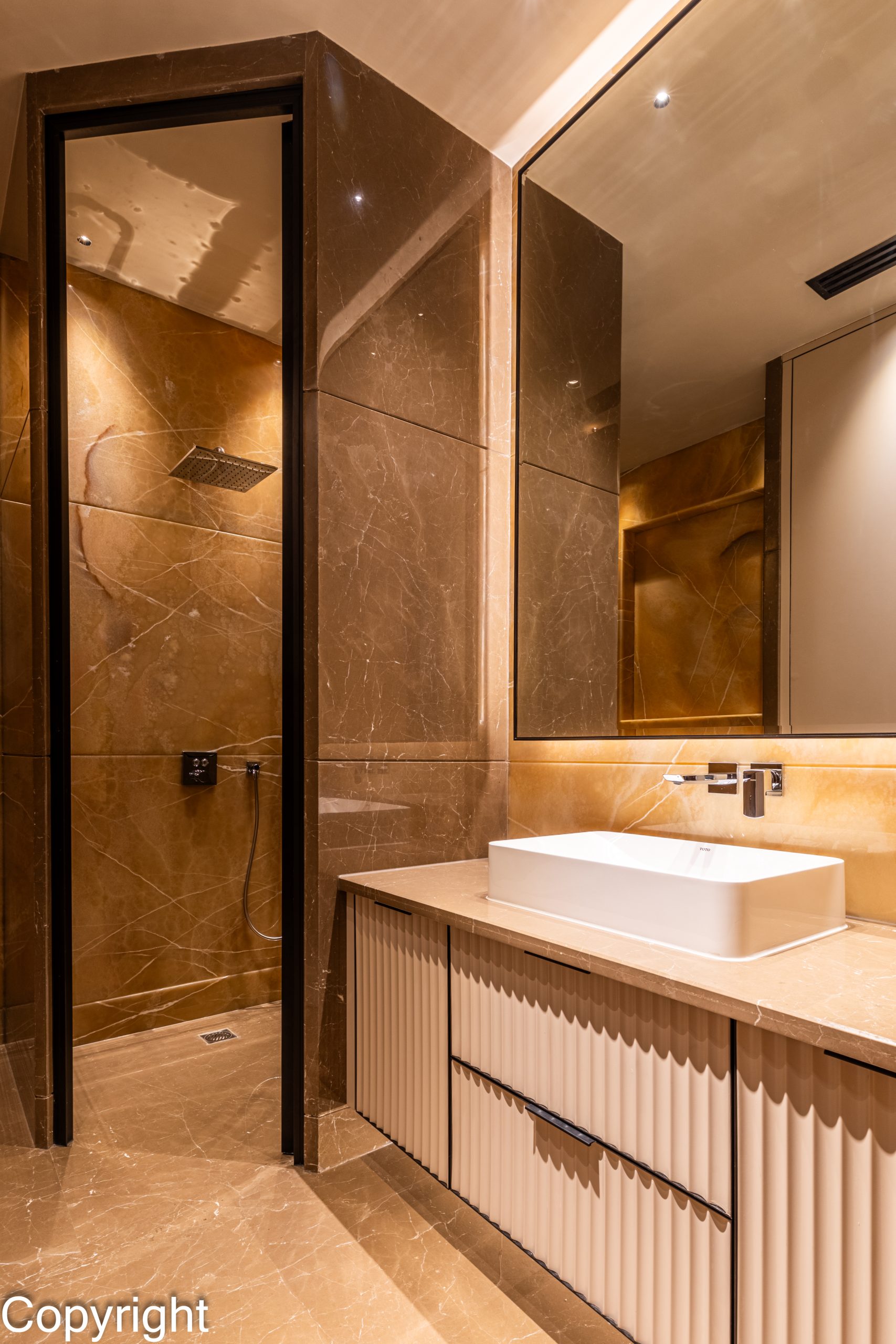
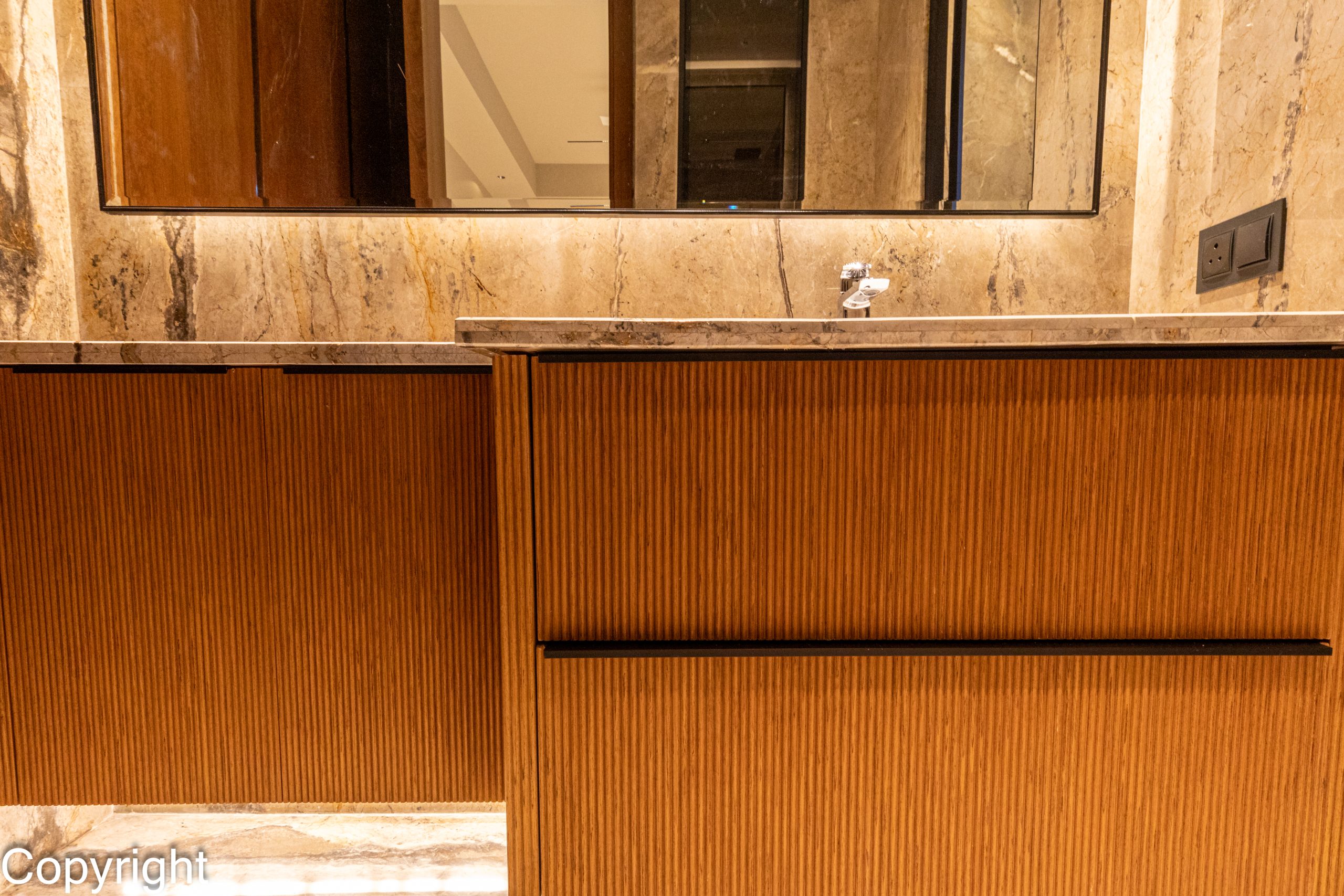
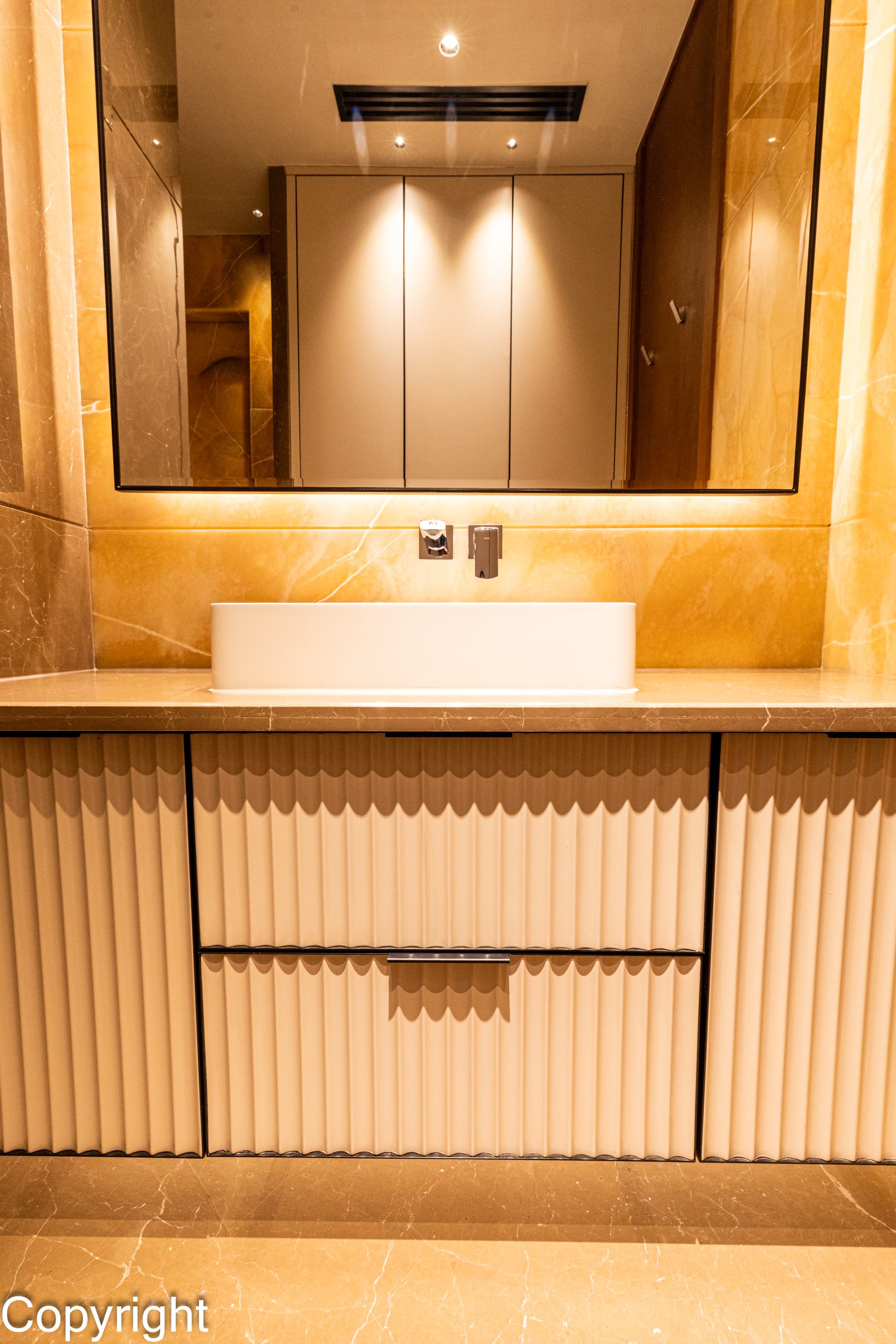
The bathroom vanities (DSC00336, DSC00339, DSC00231) are a masterclass in integrating texture and material contrast in a high-humidity environment.- Fluted/Reeded Panels: Like the pieces in the previous set of images, the vanities feature vertical fluting/reeding, which is a highly popular contemporary design detail. This texture is applied to the drawer fronts in rich, medium-brown wood (DSC00336) and a light, sandy tone (DSC00339, DSC00231).
- Sleek Hardware: The handles are simple, horizontal bar pulls in black or dark metal, contrasting sharply with the textured drawer fronts. This choice maintains a clean, modern aesthetic.
- Material Harmony: The wood/wood-look vanities are framed by luxurious marble or stone countertops and walls (in warm beige or brown tones), demonstrating a successful and opulent blend of natural materials.
4. Integrated Wood and Glass Systems
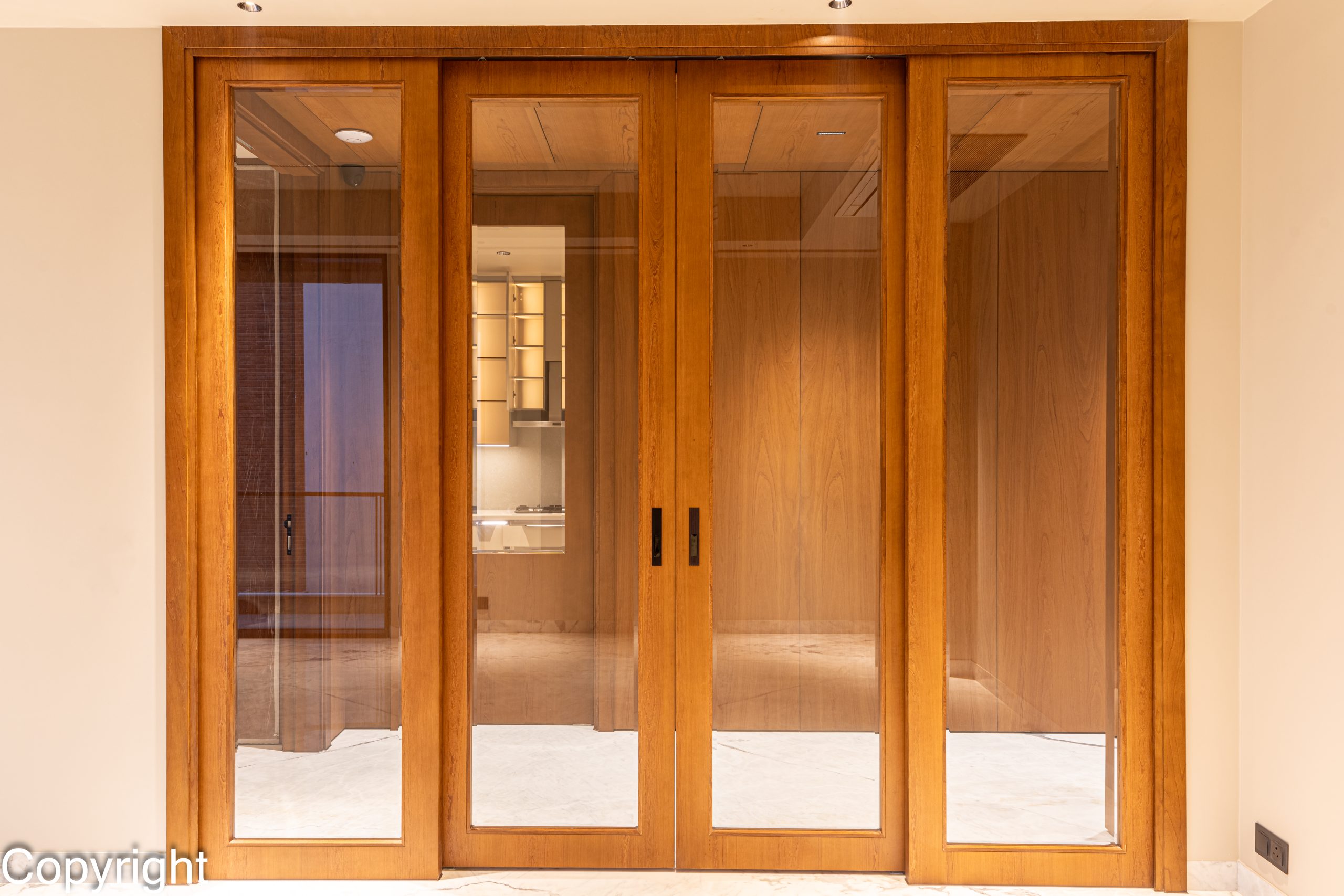
The design expertly uses wood for framing large glass elements, reinforcing the connection between interior and exterior spaces.- Sliding Partitions (DSC00257): The full-height, four-panel sliding door system features thick, prominent wood frames (likely light-to-medium oak) surrounding large panes of glass. This design allows for flexible light flow and connection between rooms while showcasing the beauty of the wood framework. The wood tone here is lighter, emphasizing the modern, airy feel.